Rosa Parks
Civil Rights
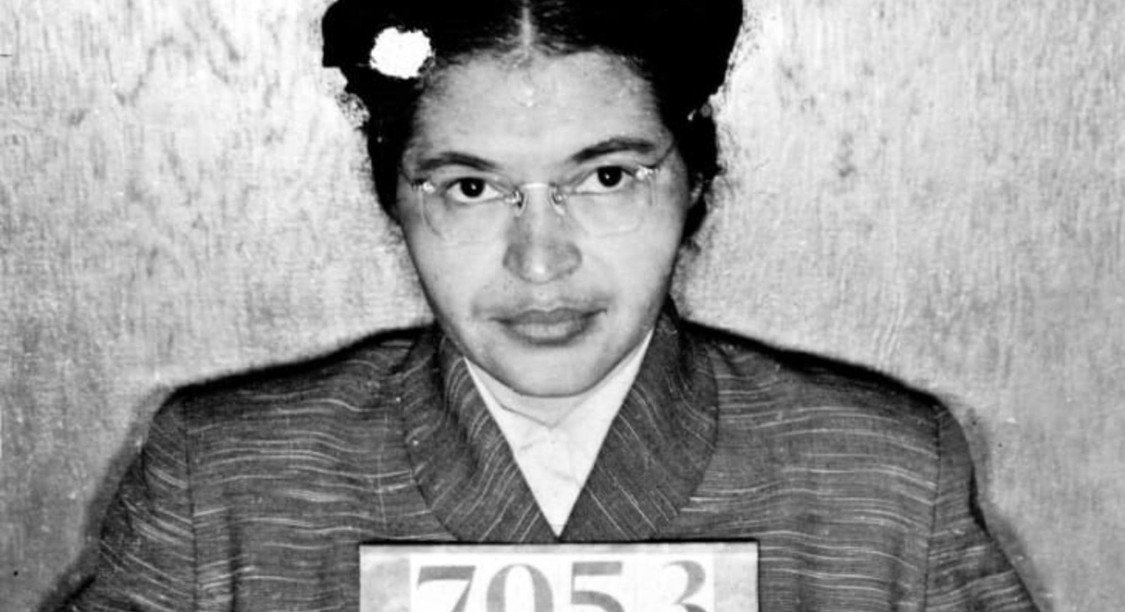
Date Of Birth: February 4, 1913
Nationality: American
Achievements: Rosa Parks sparked the Montgomery Bus Boycott and became an enduring symbol of the Civil Rights Movement, her actions leading to the eventual desegregation of the public transportation system in Montgomery, Alabama.
Bio: Rosa Parks was an African American civil rights activist whose refusal to surrender her seat to a white passenger on a segregated bus in Montgomery, Alabama, spurred a citywide boycott. Born on February 4, 1913, in Tuskegee, Alabama, her act of defiance became a pivotal symbol of the Civil Rights Movement, leading to the end of legal segregation in America.
Rosa Parks (1913-2005) was an American civil rights activist whose courageous act of refusing to give up her seat on a Montgomery, Alabama bus to a white man in 1955 sparked the Montgomery Bus Boycott, a pivotal event in the Civil Rights Movement. Born in Tuskegee, Alabama, Parks grew up during a time of severe racial segregation and discrimination in the South. Before her famous act of civil disobedience, Parks was already an active member of the civil rights movement. She worked as a secretary for the National Association for the Advancement of Colored People (NAACP) and attended the Highlander Folk School, an education center for activism in workers' rights and racial equality. Her refusal to give up her bus seat came at a time of burgeoning efforts to fight racial injustice. Following her arrest for violating Montgomery's bus segregation laws, the black community of Montgomery, led by Dr. Martin Luther King Jr., organized a 381-day bus boycott that resulted in the desegregation of the public transportation system. Parks' personal sacrifice was a catalyst for the national civil rights movement and helped bring the issue of racial segregation to the forefront of American consciousness. In later years, Parks continued her involvement in civil rights, advocating for housing rights and against police brutality. She was honored with numerous awards during her lifetime, including the Presidential Medal of Freedom and the Congressional Gold Medal. Legacy and Recognition: Rosa Parks is widely regarded as 'the mother of the modern-day civil rights movement'. Her legacy is preserved in various forms, including the Rosa Parks Museum in Montgomery, Alabama, which provides insight into her life and the Civil Rights Movement. Her role in American history is taught in schools across the country, ensuring that future generations understand her impact on the nation’s progress toward racial equality. Cultural and Social Impact: Rosa Parks’ defiance became a powerful symbol of the wider Civil Rights Movement. Her action and the subsequent bus boycott demonstrated the effectiveness of grassroots activism and nonviolent protest, setting the stage for larger civil rights campaigns, including the Birmingham Campaign and the March on Washington. Parks' quiet strength and unwavering commitment to her principles have made her an enduring icon in American culture. Her story has inspired countless individuals to stand up against social injustice, and her strategies and moral stance continue to influence civil rights efforts worldwide. Rosa Parks passed away in 2005, but her legacy lives on as a cornerstone of the struggle for dignity and equality. Her life and actions continue to inspire the ongoing fight for civil rights and serve as a testament to the impact one individual can have on the course of history.