Ada Lovelace
Mathematics and Computer Science
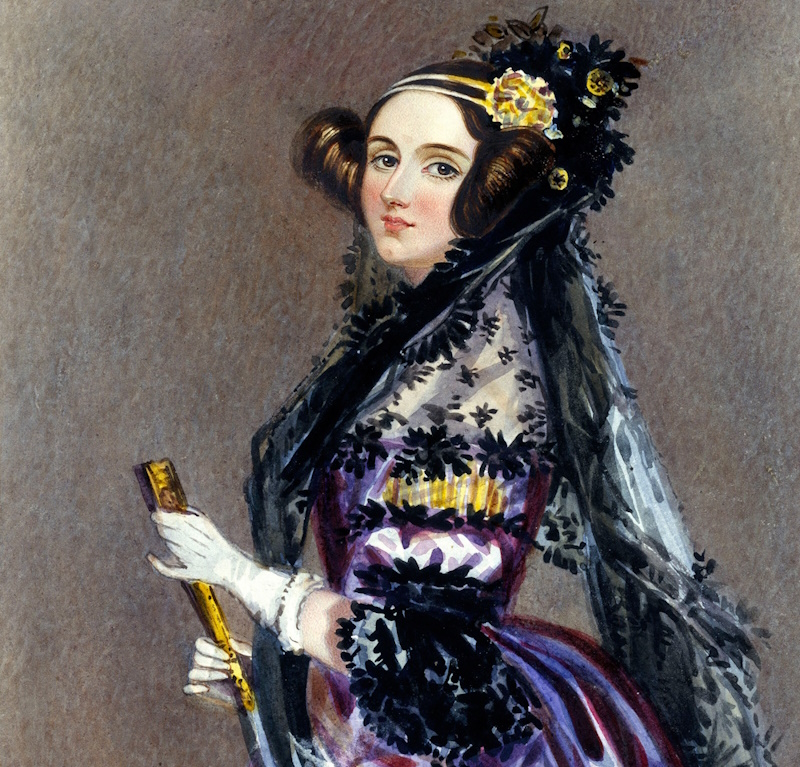
Date Of Birth: December 10, 1815
Nationality: British
Achievements: Ada Lovelace is celebrated as the first computer programmer, having developed an algorithm intended to be carried out by a machine. Her work laid the foundational concepts for modern computing long before the actual computers were built.
Bio: Ada Lovelace (1815-1852), born Augusta Ada Byron, was an English mathematician and writer primarily known for her work on Charles Babbage's proposed mechanical general-purpose computer, the Analytical Engine. She was the daughter of the poet Lord Byron and Anne Isabella Milbanke Byron, who encouraged her interest in mathematics and logic. Lovelace is often celebrated as the first computer programmer. She translated an article on Babbage's Analytical Engine from French to English and, in the process, added a set of notes which included what is recognized as the first algorithm intended to be processed by a machine. This makes her notes the first computer program ever written, even though the Analytical Engine was never completed. Her work was visionary: she foresaw the capability of computers to go beyond mere calculation or number-crunching, envisioning them creating music and art, and manipulating symbols according to rules, a concept that underpins modern computing.
Ada Lovelace's contributions to computing were not fully recognized until a century after her death. Today, she is regarded as a pioneer of computer science. The second Tuesday in October is celebrated as Ada Lovelace Day, an international celebration of the achievements of women in science, technology, engineering, and maths (STEM). Cultural Impact: Ada Lovelace's story is a powerful symbol of the intellectual potential of women in science and technology, fields she navigated and excelled in against the typical norms of her time. Her work laid the groundwork for those who would eventually build the world's first computers. Her narrative challenges the historical exclusion of women from science and technology and serves as an inspiration for efforts to promote gender equality in STEM fields. Lovelace's vision of the computer's capabilities was a remarkable prediction of the modern multi-purpose computer. Her legacy continues to influence contemporary discussions on women's contributions to science and technology.